Global market turbulence has hit the Caribbean once again, and energy volatility is testing regional budgets. For the island nation of Saint Lucia, managing the 2026/27 fiscal year requires a delicate balancing act: protecting everyday citizens from price shocks while keeping public finances on track.
Prime Minister Philip J. Pierre recently revealed that government policy interventions designed to cap local fuel and cooking gas prices have led to a combined EC$44.9 million financial impact on public funds since the start of the fiscal year.
Here is a closer look at what is happening behind the numbers, why the government chose this path, and what it means for residents and travelers alike.
The EC$44.9 Million Cushion: How the Numbers Break Down
When international crude prices spike due to geopolitical unrest in key oil-producing regions, small island economies face immediate pressure. Rather than letting those price hikes pass straight through to pumps and kitchens, Saint Lucia chose to absorb the shock.
The EC$44.9 million budget impact comes from two main levers:
- EC$39.2 Million in Uncollected Fuel Excise Taxes: The government intentionally lowered its tax take at the pump to ensure gasoline and diesel prices remained capped at $16.75 per imperial gallon ($3.68 per liter).
- EC$5.7 Million in LPG (Cooking Gas) Subsidies: Direct government spending heavily offsets the real cost of standard 20 lb and 22 lb cooking gas cylinders, covering more than half the actual cost in some periods.
While absorbing these costs creates immediate revenue pressure, the administration views it as an essential social investment to keep transportation, food preparation, and small businesses affordable.
Why Global Crude Shockwaves Hit Home
Like most Eastern Caribbean nations, Saint Lucia relies heavily on imported petroleum for both motor transport and electricity generation. Unrest in international shipping lanes and conflict in the Middle East have driven up refined fuel import costs.
Without government price intervention, a single 20 lb cooking gas cylinder would cost households over $70 EC instead of the steady $34 EC retail price. By stepping in, the state prevents a domino effect where surging energy costs drive up general inflation across grocery stores, public transit, and utility bills.
What This Means for Visitors and Tourism
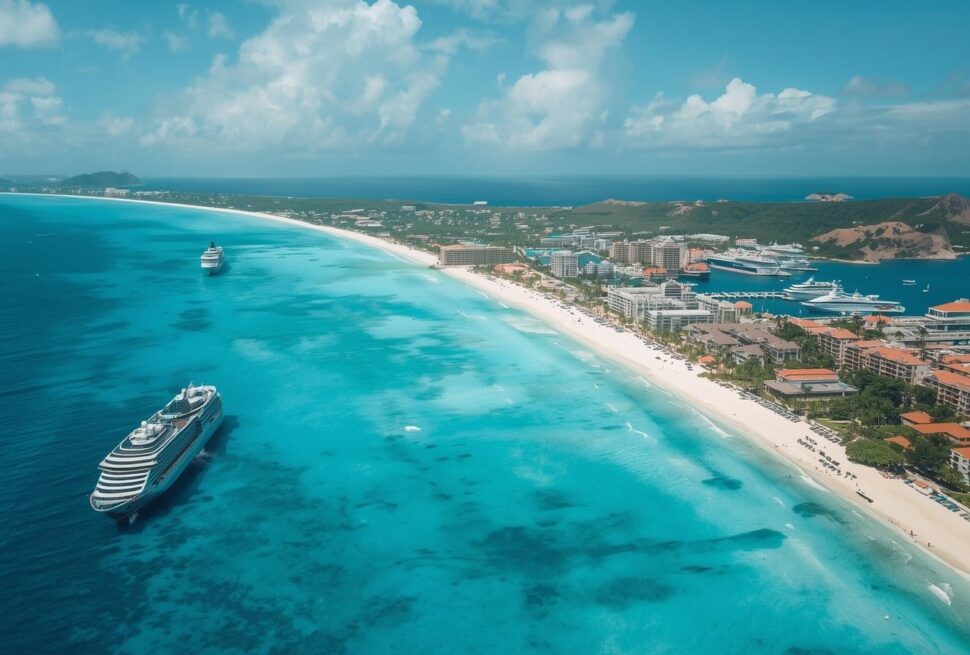
Saint Lucia’s economy relies heavily on its vibrant tourism industry. Capping fuel prices delivers a vital indirect benefit: predictable travel and excursion pricing.
Because land transport and marine fuel remain stabilized, tour operators and taxi services aren’t forced into sudden surcharge increases. Visitors exploring the island’s lush rainforests, visiting the iconic Pitons, or booking catamaran cruises through platforms like Viator can enjoy transparent, stable pricing on excursions without unexpected energy markups.
The Path Forward: Balancing Fiscal Discipline and Growth
Saint Lucia entered this budget cycle with strong momentum, having recorded primary and current account surpluses in the previous fiscal year. However, regional economists emphasize that maintaining fiscal stability will require strict cost control and enhanced revenue collection across other sectors, including Value Added Tax (VAT) compliance.
The government’s strategy for the remainder of the 2026/27 fiscal year rests on three core pillars:
- Strengthening Economic Resilience: Expanding investments in renewable energy alternatives to reduce future dependence on foreign oil.
- Improving Efficiency: Modernizing government services and streamlining public spending allocations.
- Protecting Vulnerable Communities: Maintaining targeted safety nets while investing in long-term infrastructure projects.
While international oil markets remain unpredictable, Saint Lucia’s policy stance sends a clear message: public stability comes first.