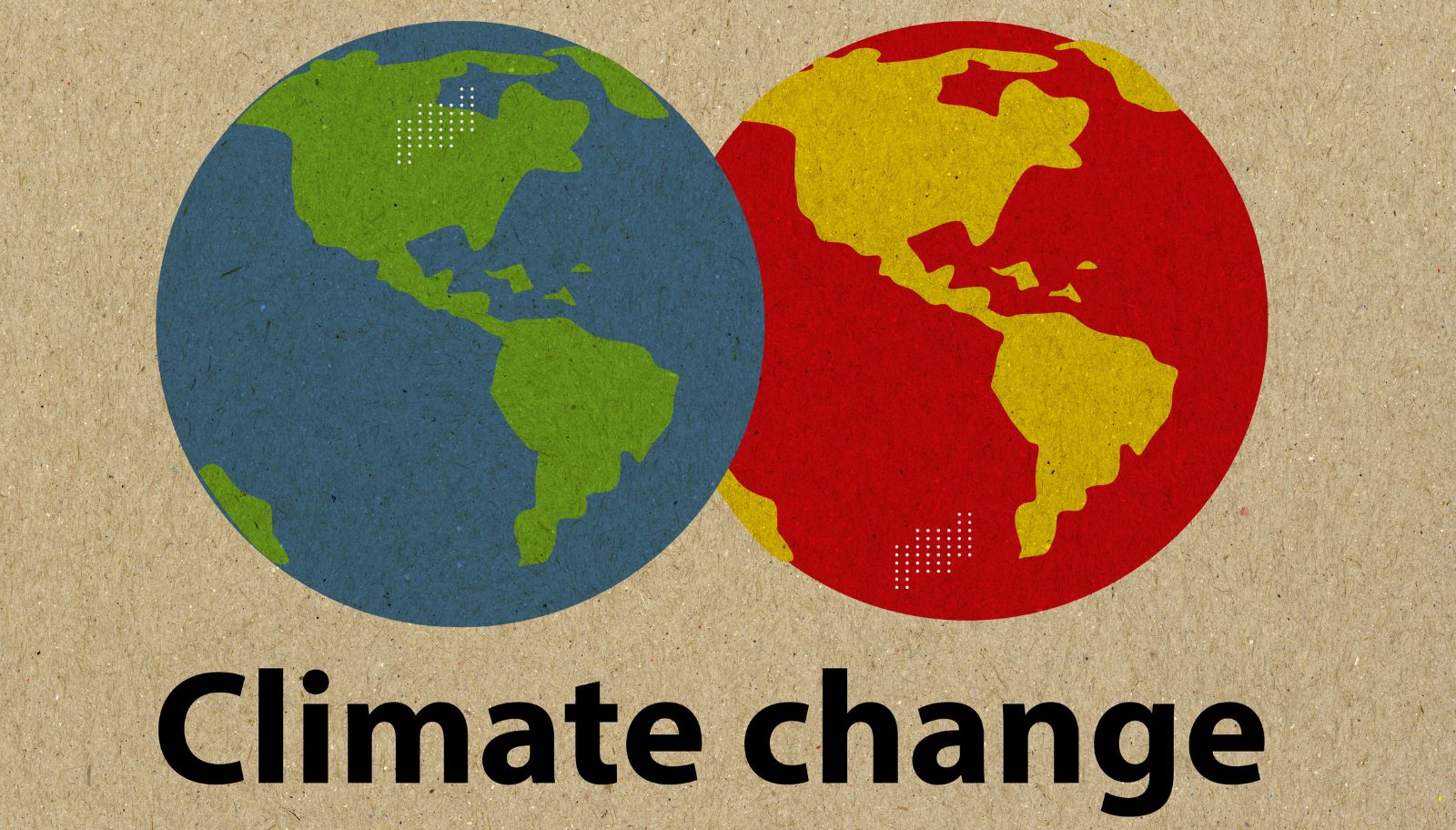
When discussing climate change, headlines often focus on concrete walls, seawalls, high-tech early warning systems, and large-scale engineering. However, a growing consensus among global researchers and policy experts highlights a fundamental missing piece: people.
True climate resilience cannot be built on technological fixes alone. As detailed in recent research on putting people at the centre of UK climate adaptation resilience, effective policies must prioritize human behavior, community needs, local culture, and everyday lived experiences.
Whether in coastal urban centers or small island developing states across the Caribbean, putting people at the heart of climate adaptation creates fairer, more effective, and longer-lasting protection for ecosystems and local livelihoods.
Why Infrastructure Alone Isn’t Enough: The Human Dimension
Climate hazards—from extreme heatwaves and sudden inland flooding to severe hurricanes—do not affect everyone equally. A community’s ability to adapt depends heavily on social factors like income equality, housing conditions, local trust, and accessible public infrastructure.
┌─────────────────────────────────────────────────────────┐
│           PEOPLE-CENTERED CLIMATE ADAPTATION            │
├──────────────────────────┬──────────────────────────────┤
│ Technical Interventions  │ Social & Human Factors       │
├──────────────────────────┼──────────────────────────────┤
│ • Seawalls & Barriers    │ • Local Knowledge & Culture  │
│ • Storm Surge Gauges     │ • Community Decision-Making  │
│ • Early Warning Systems  │ • Economic Accessibility     │
└──────────────────────────┴──────────────────────────────┘
When policymakers incorporate social science into environmental planning, adaptation shifts from a static engineering project into an ongoing, flexible social process.
- Behavioral Reality: Solutions only work when communities trust them and can practically adopt them.
- Equity & Justice: Marginalized groups often bear the highest burdens of severe weather, making inclusive policy essential.
- Local Knowledge: Residents possess deep, historical insights into their local ecosystems that top-down models frequently miss.
Connecting Climate Resilience to Local Culture and Travel
Putting people at the center of resilience isn’t just an imperative for government policy—it extends directly to how we live, work, and explore the world.
Cultural heritage and community identity serve as vital anchors during times of transition and environmental stress. Preserving local stories, culinary traditions, and historic neighborhoods fosters strong social ties, which are essential for collective community resilience.
For example, urban exploration and local culinary experiences—such as taking a Chinatown and Little Italy food tour—showcase how vibrant, close-knit urban neighborhoods rely on local enterprise and shared heritage to adapt and thrive through economic and environmental shifts.
Supporting Resilient Communities Through Conscious Travel
Travelers play an active role in strengthening community-led adaptation. By choosing sustainable, locally guided tours, visitors help direct economic benefits straight to the individuals who maintain local ecosystems and cultural heritage.
When planning your trips, booking via trusted platforms like Viator lets you discover vetted eco-tours, historical walking tours, and authentic community experiences. Supporting local tour operators ensures that tourism dollars directly strengthen the social fabric and economic resilience of the destinations you visit.
4 Key Steps Toward Truly People-Centered Resilience
- Prioritize Public Dialogue: Involve residents early when designing adaptation projects rather than presenting finished plans.
- Protect Cultural Assets: Safeguard historic districts, local markets, and green spaces that bring communities together.
- Foster Micro-Economy Growth: Support small businesses and sustainable local operators that form the backbone of community recovery.
- Learn and Iterate Continuously: View adaptation as a continuous process of learning and adjusting to changing climate realities.
The Path Forward
Building a resilient future requires more than just retrofitting physical structures—it demands investing in human capital, social trust, and sustainable community growth. By putting people at the centre of climate adaptation, we can build vibrant, adaptive communities that protect both their environment and their cultural heritage for generations to come.