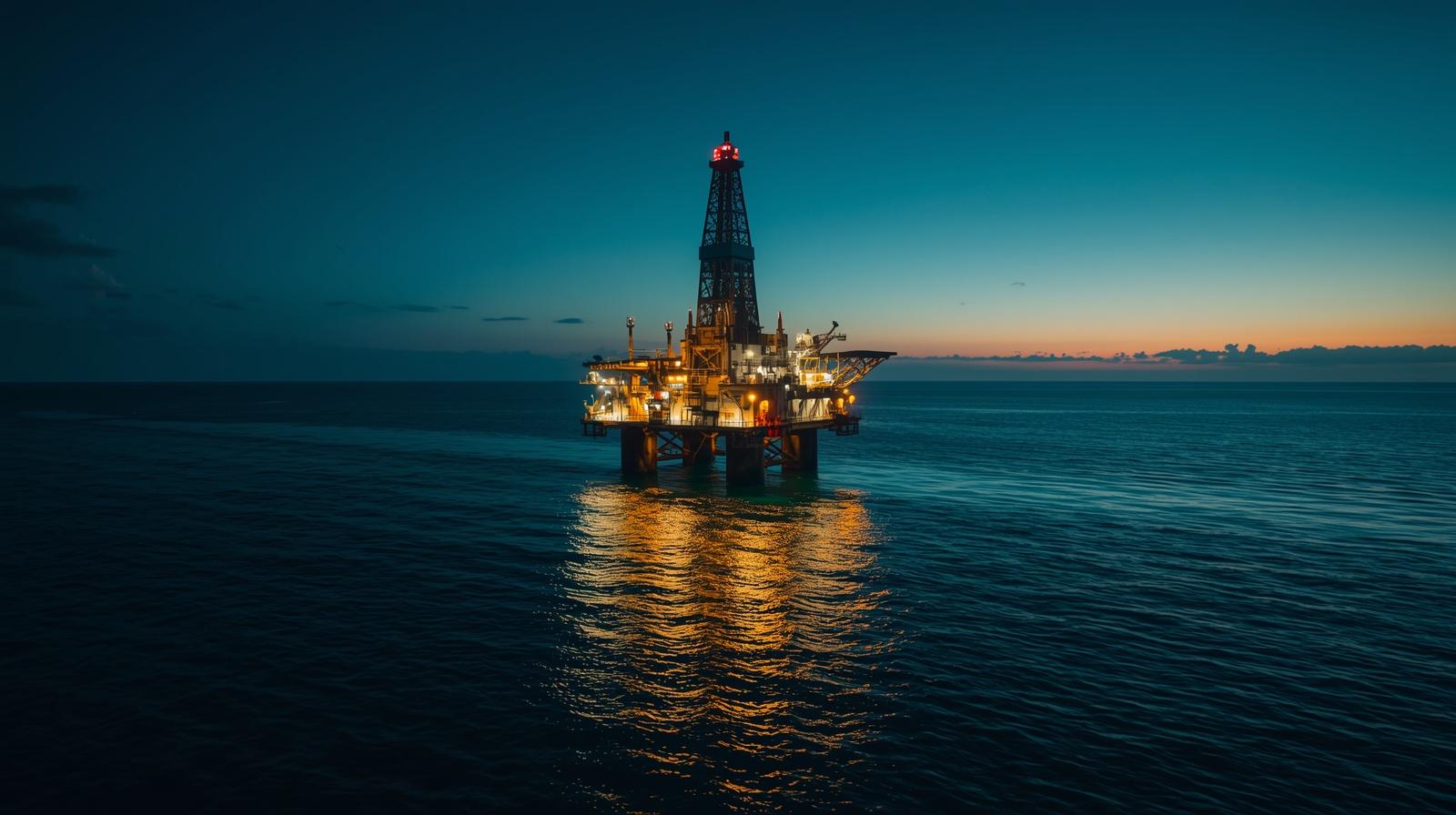
As of March 2026, the global energy map is being redrawn from the White House. Faced with soaring crude prices due to the ongoing conflict in the Middle East, the Trump administration has issued General License 52 (GL52), a pivotal move designed to deepen U.S. influence over the Venezuelan oil sector while stabilizing global markets.

What is General License 52?
Issued by the Treasury’s Office of Foreign Assets Control (OFAC), this new license marks a “phased-in” return to Venezuelan energy production. Unlike previous years of total blockades, GL52 allows “established U.S. entities” to:
- Directly purchase and export Venezuelan-origin crude and petroleum products.

- Export diluents (essential for thinning Venezuela’s heavy crude) to the island-nation.
- Enter new contracts for upstream oil and gas production to modernize the region’s decaying infrastructure.

The “U.S.-Controlled” Revenue Model
The hallmark of this 2026 policy is control. While the oil flows, the cash is “ring-fenced.” Under the new mandate, all tax, royalty, and dividend payments from these deals must be deposited into U.S.-controlled accounts.
This ensures that revenues are used for U.S.-approved purposes—such as purchasing American-made medical equipment and food—rather than funding political opposition. For the Trump administration, it’s a strategy of “maximum leverage” that aims to increase global supply by 50% over the next 18 months.
Why This Matters for the Caribbean
For our regional audience, this shift is more than just geopolitics; it’s about the local economy.
- Lower Fuel Costs: By bringing 30–50 million barrels of Venezuelan oil back into the immediate market, the administration aims to slash prices at the pump across the Western Hemisphere.
- Infrastructure Opportunities: With the U.S. authorizing the repair of Venezuela’s electrical grid to support oil production, secondary opportunities for Caribbean logistics and shipping firms are emerging.
- The “Jones Act” Waiver: President Trump’s recent 60-day waiver of the Jones Act further allows non-U.S. flagged vessels to move resources like oil and fertilizer more freely, potentially lowering shipping costs for regional trade.

The U.S. Department of the Treasury’s Office of Foreign Assets Control (OFAC) recently issued General License 52, which outlines the specific parameters for U.S. companies re-entering the Venezuelan energy market.
Navigate the New Energy Landscape with Viator
As the energy landscape shifts, the impact will be felt across every corner of the region. From the bustling ports of the Bahamas to the industrial hubs of Trinidad, the ripple effects of General License 52 are significant. If you are looking to understand how these changes are affecting specific islands, explore our full guide to Caribbean destinations to see where these economic shifts are hitting hardest.
As the region opens up to new diplomatic and economic ties, the travel and “energy tourism” sector is seeing a massive uptick. Business travelers and consultants heading to the region for these new energy projects can find the most reliable transport, logistics assistance, and local site tours through Viator.
Whether you are scouting new investment opportunities in the Orinoco Oil Belt or managing logistics in the BVI, booking through Viator ensures you have access to verified local experts who understand the changing safety and regulatory landscape of 2026.